
Cabinet Selection: Why IKEA Is Sometimes Right and Custom Is Sometimes a Trap
A completely practical guide to cabinets that does not judge you for whatever you choose, but does judge the decisions that lead to regret.
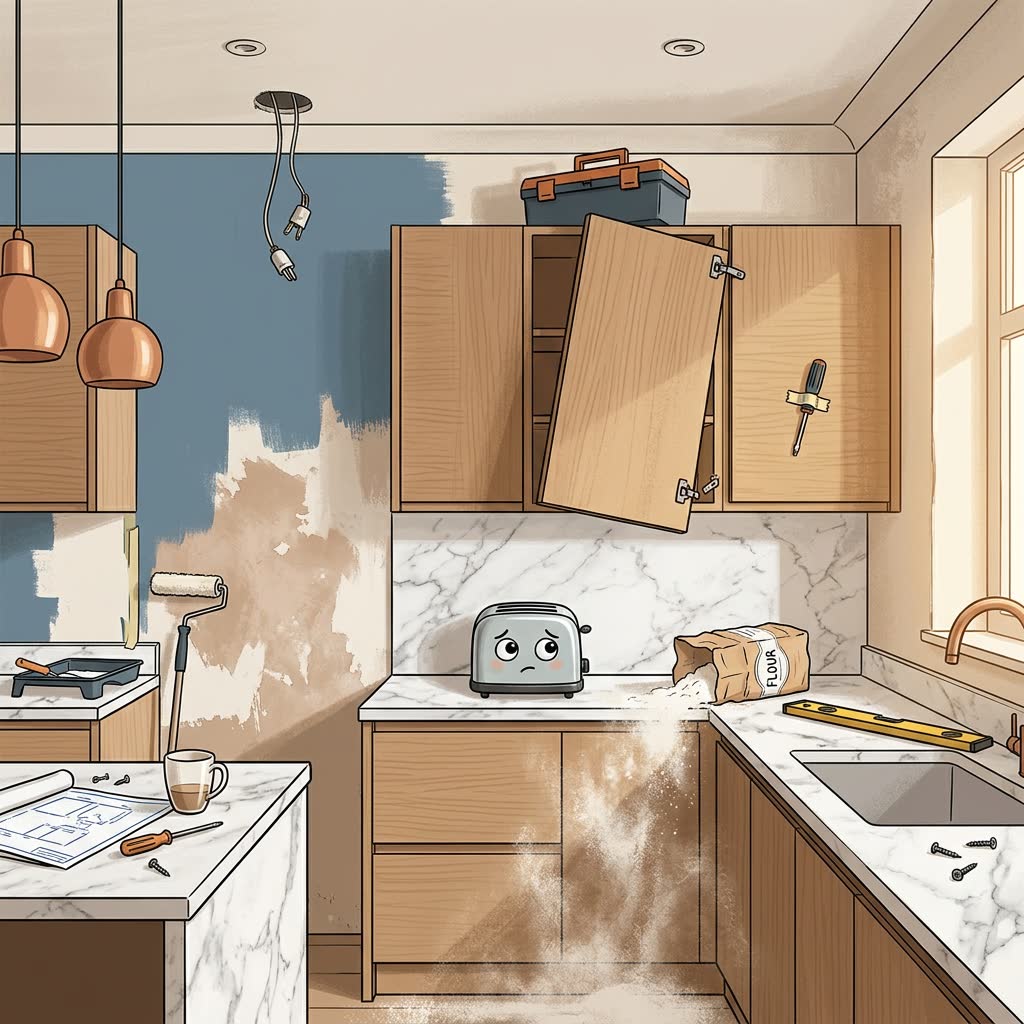
Cabinets are the most expensive decision in most kitchens. The gap between a good run and a foolish one is usually a few thousand dollars and one argument about shaker doors. This lesson is how you pick a system that survives humidity, kids, and the dishwasher.
Modular systems (IKEA and its cousins) are underrated and correctly rated. The price is real. The hardware can be annoying. The finished result, with decent doors and a proper benchtop, is frequently indistinguishable from cabinets that cost three times more — if the kitchen is a standard shape.
Custom earns its keep when the room is not a rectangle, the walls are not plumb, or you need unusual depths, appliance housings, or a pantry that is actually a room. Paying custom money for a straight galley that a modular system could have done is how budgets go to finishing school and fail.
Boxes matter more than door style. Plywood carcasses outperform cheap particleboard near dishwashers and sinks. Soft-close hinges are not a luxury in 2026. If a door slams, the kitchen sounds like it is still arguing with you.
Measure appliances before anyone draws a cabinet. Fridge depth, dishwasher height, and the oven that wanted to be a statement will not shrink to fit a pretty elevation. The cabinet maker is building around objects. Give them the objects.
Drawers beat doors for pots, plates, and the graveyard of lids. Deep drawers at the cook's hip save more marriages than a feature island. Corner units need a plan: a LeMans, a lazy Susan, or an honest decision to store the stuff you never use.
Handles, height, and kickboards are the details people touch every day. Decide them in the room, not on a laptop. A handle that catches a hip will be famous for the wrong reason.
Install is where flatpack becomes furniture. Level the bases, pack the walls, and spend time on door alignment. Rushing this is how a reasonable cabinet starts looking like it was hung during an aftershock.
Rule of thumb: pick the cabinet system for the room you have, not the showroom you visited. If the quote for custom is mostly doors, ask what the boxes are made of. The doors are the outfit. The boxes are the skeleton.
Related Articles
A guided tour of the invoice, from the trades who earn it to the tiles that quietly negotiate with your budget.
Sustainable upgrades that pay you back on the bills instead of asking you to feel good about spending more.
How to tell whether your kitchen wants an island or just thinks it does, before you commit to the granite.